“2026 Seniors’ Joy Program (Phase 1)” — Seventh Activity Brief
-
by
admin
By Jennifer Zhang
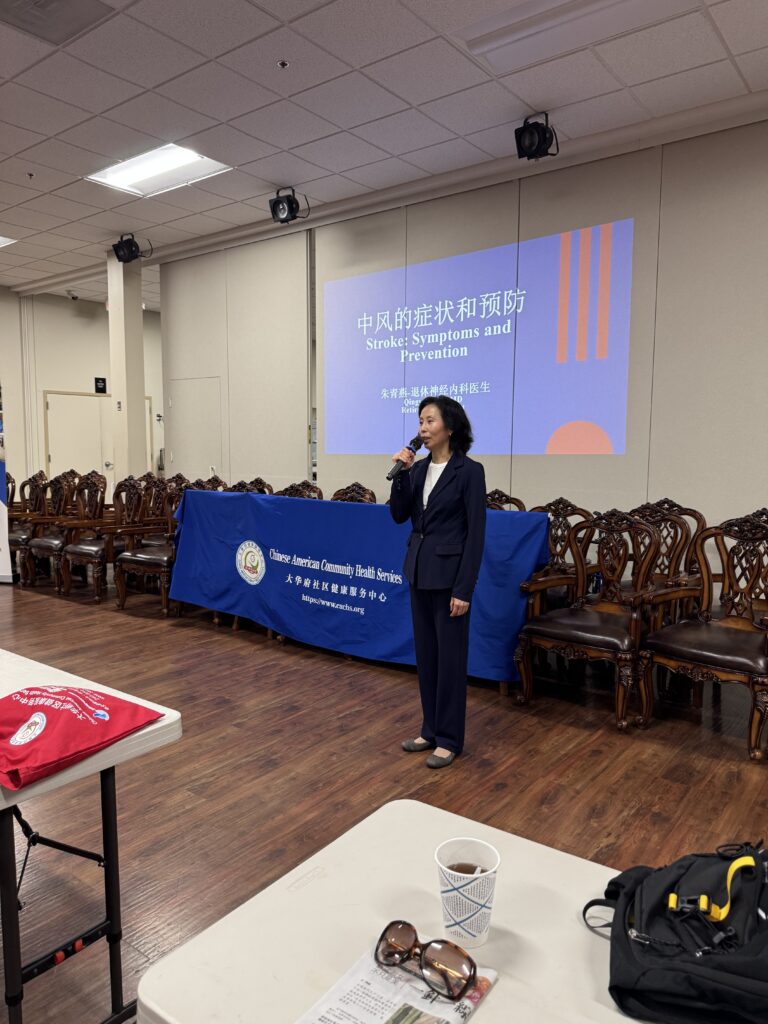
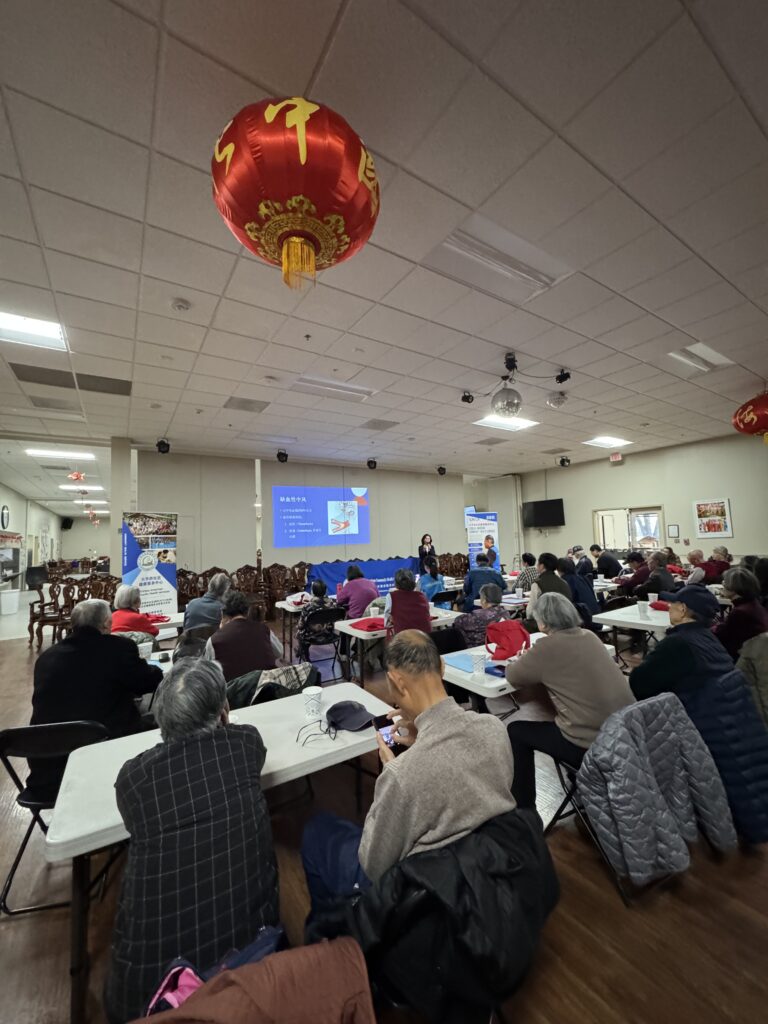
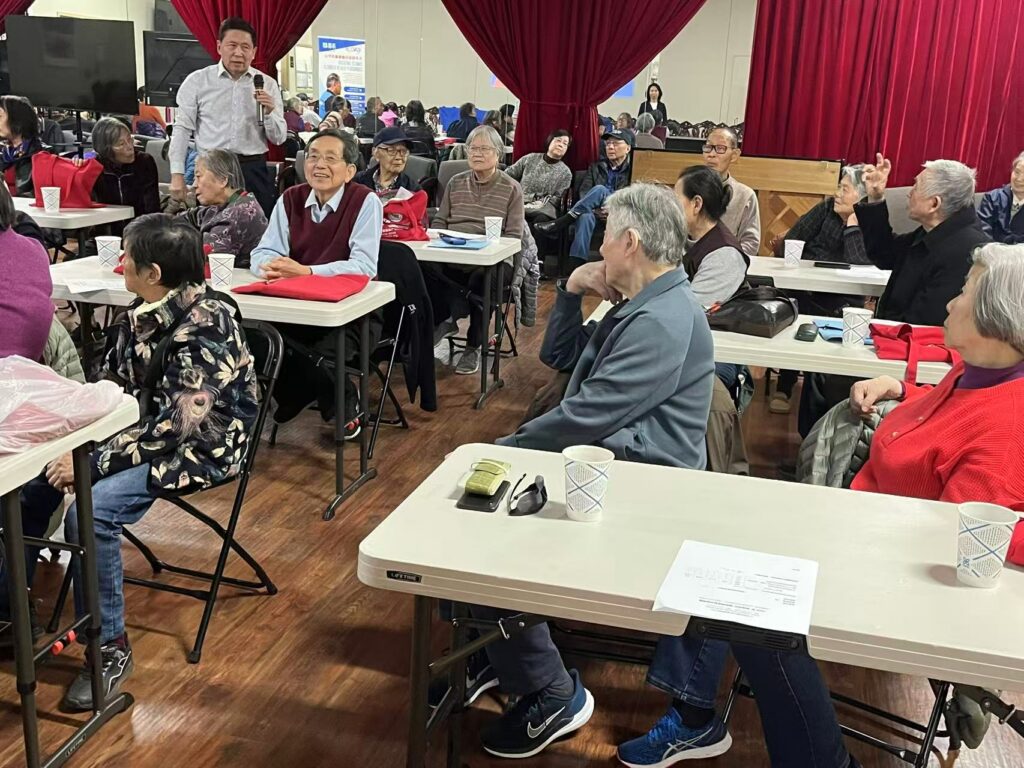
February 28 marked the final “Happy Seniors” event of the month. This Saturday, we were honored to welcome Dr. Qingyan Zhu, a neurologist , who delivered an informative lecture on stroke for our seniors.
Stroke is a frequently discussed topic with a high incidence rate. In the United States alone, nearly 800,000 people die from stroke each year. Therefore, understanding stroke—especially how to prevent it—is both practical and essential. Dr. Zhu began by clearly explaining what a stroke is and its main types: ischemic stroke, commonly known as a “brain infarction,” and hemorrhagic stroke, caused by a ruptured blood vessel in the brain. Most strokes occur either in the left hemisphere of the brain, affecting the right side of the body and speech, or in the right hemisphere, affecting the left side of the body.
Dr. Zhu emphasized that stroke symptoms usually appear suddenly and often affect one side of the body. Common signs include paralysis of one side of the face, arm, or leg; speech difficulties; and visual disturbances. She addressed that once a stroke is suspected, the very first step is to call 911 immediately and take appropriate measures based on the patient’s condition.
If the patient is conscious, family members should help the patient lie on their side, elevate the head slightly, loosen tight clothing around the neck, keep the patient warm, ensure the airway is clear, avoid giving any food or drink, observe any changes in symptoms, and record the exact time symptoms began. If the patient is unconscious, in addition to the above steps, check for chest movement, listen for breathing, clear any vomit or obstructions from the mouth, and, if there is no breathing and if possible, begin CPR.
Treatment options after a stroke vary depending on the type, severity, location, size of the stroke, and the s overall condition of patients. Prognosis also differs from person to person. Dr. Zhu summarized the potential long-term effects of stroke, including hemiplegia, speech and visual impairments, difficulty chewing and swallowing, mobility challenges, cognitive and memory problems, loss of independence, and emotional fluctuations. She noted that rehabilitation is often a long-term and individualized process.
Prevention, Dr. Zhu emphasized, is crucial. Individuals who have never had a stroke but possess risk factors should focus on controlling those factors, though preventive medications such as Aspirin may not always be necessary. However, those who have experienced a stroke or transient ischemic attack (TIA) are at significantly higher risk of recurrence. In addition to managing risk factors, they generally require preventive medications such as antiplatelet or anticoagulant drugs.
Dr. Zhu thoughtfully listed major stroke risk factors, including high blood pressure, smoking, diabetes, high cholesterol, obesity, physical inactivity, prior TIA, cardiovascular disease, atrial fibrillation, and excessive alcohol consumption. She encouraged healthy lifestyle habits, such as visiting a primary care physician at least once or twice a year, adopting a Mediterranean or high-fiber diet (featuring poultry, fish, nuts, olive oil, low-fat and low-cholesterol foods, reduced salt, and no processed foods), engaging in regular aerobic exercise, maintaining normal blood pressure, cholesterol, blood sugar, and weight levels, and quitting smoking and excessive drinking. She also reviewed medications used to help prevent stroke, including antiplatelet agents such as Aspirin, anticoagulants, and medications for blood pressure, cholesterol, and blood sugar control.
Although the lecture lasted only one hour, Dr. Zhu covered nearly all the topics the seniors were eager to learn about, providing them with valuable knowledge and practical guidance.
During the recreational session that followed, community photography enthusiast Mr. Hong Sun shared the best flower-viewing and photography spots around the Washington, DC area for spring and summer. He showcased his own work and generously offered practical photography tips, covering subjects such as cherry blossoms, tulips, lotus flowers, and sunflowers. Volunteers from Chinese American Community Health Services (CACHS) thoughtfully shared Mr. Sun’s PPTs in the WeChat group for everyone’s convenience, earning high praise from seniors.
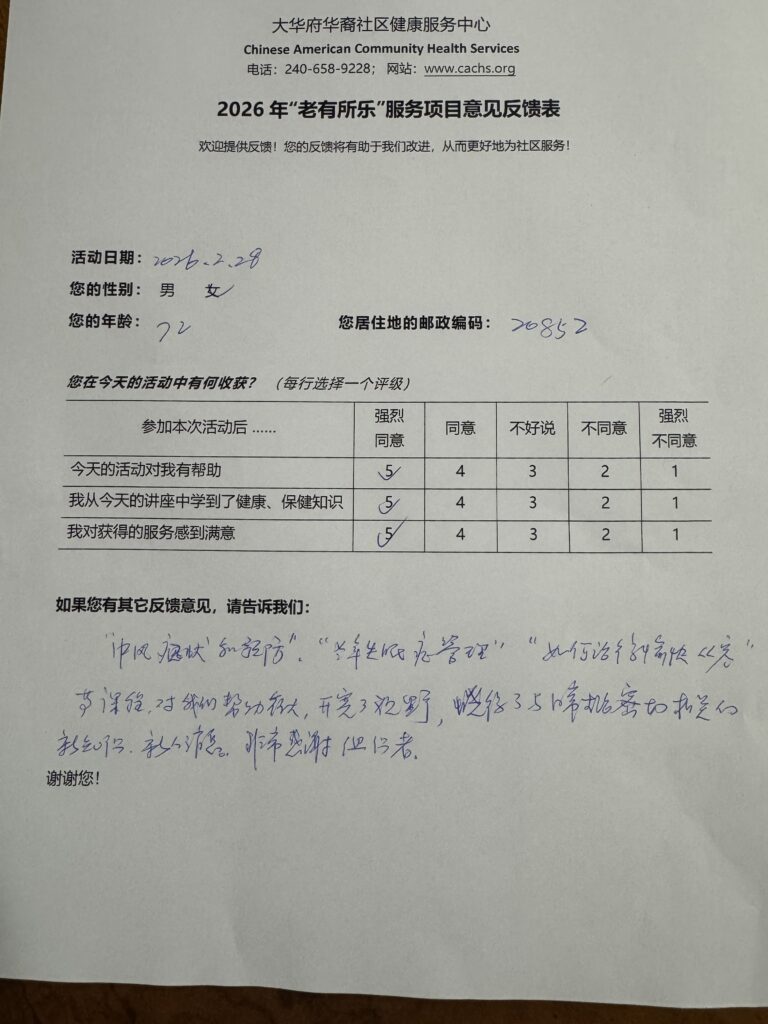
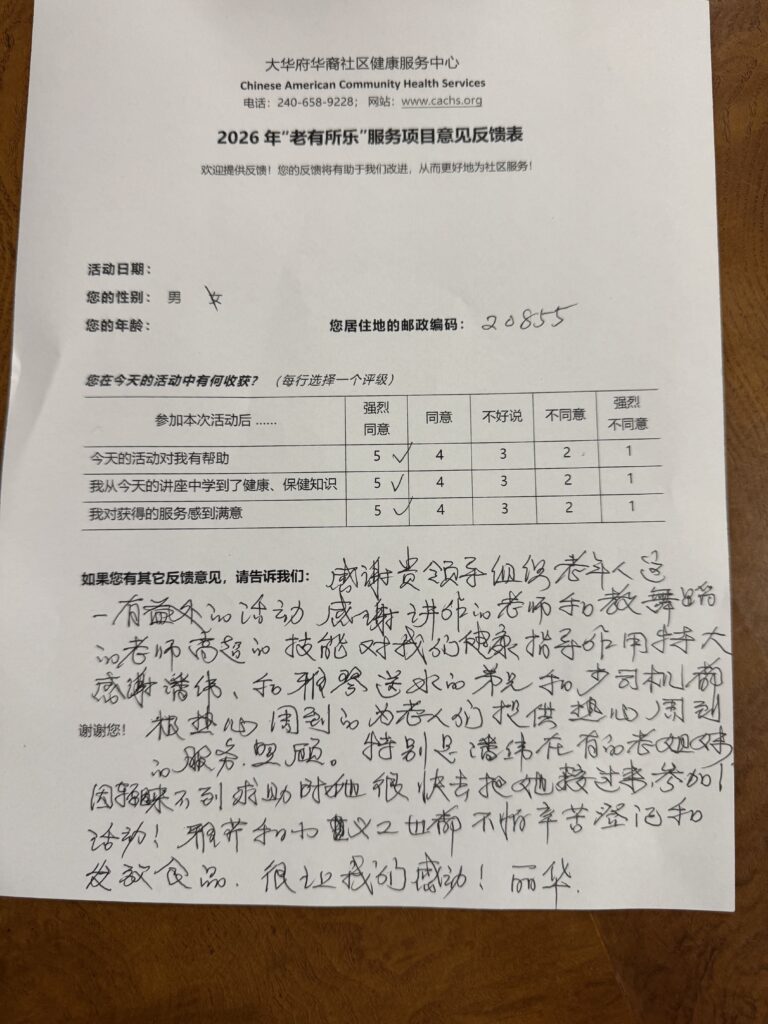
In the final half hour, CACHS senior volunteer Xiangyang Wei introduced common functions of WeChat and account management tips, offering numerous practical tricks that were warmly received. Many seniors commented that the information was extremely useful and said they would no longer need to rely on their children for help.
Relaxing, joyful, and enriching—thanks to “Happy Seniors,” our seniors once again enjoyed a wonderful and fulfilling weekend.