“2026 Seniors’ Joy Program (Phase 2)” — Sixth Activity Brief
-
by
admin
By Jennifer Zhang
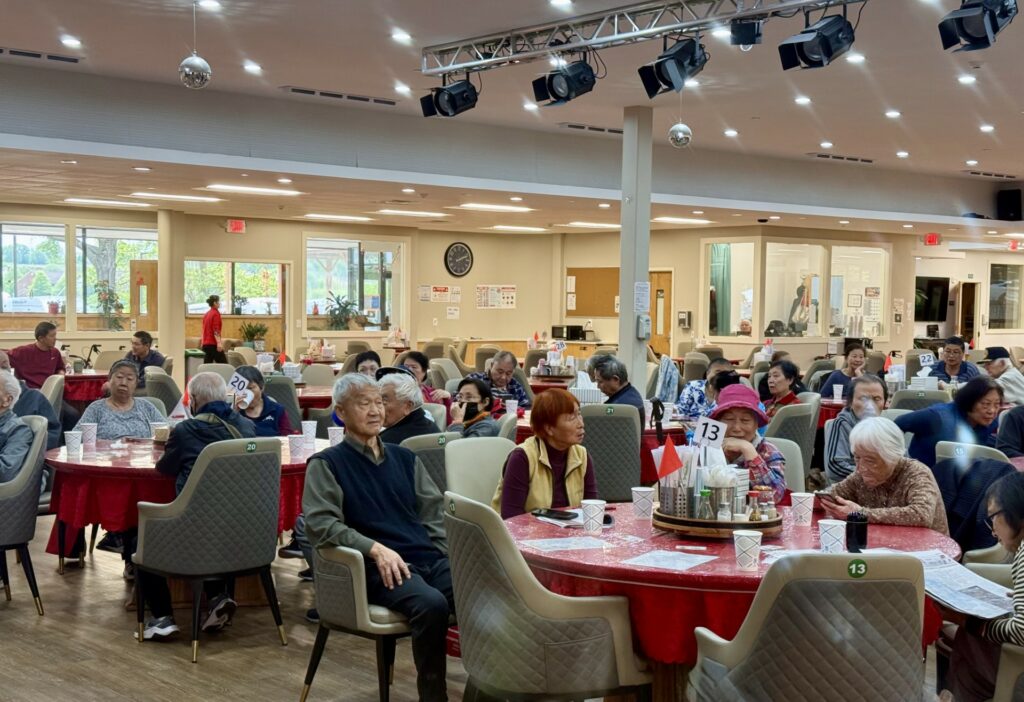
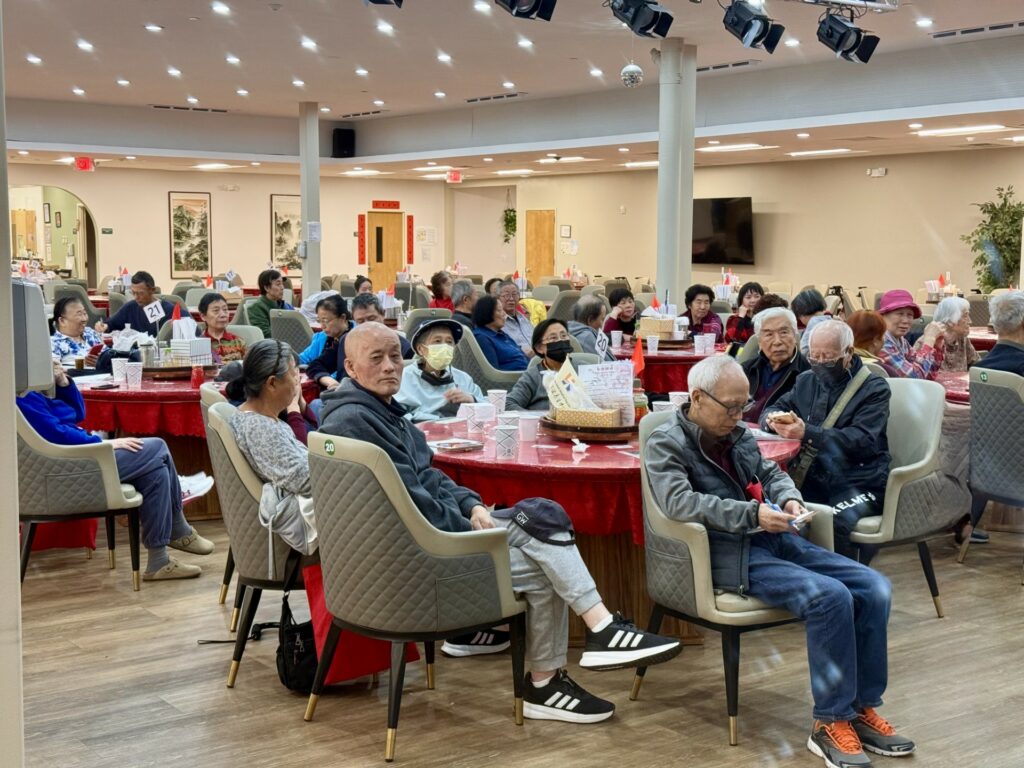
On Saturday, May 9, seniors gathered once again for the sixth session of this year’s “Happy Seniors” program. Time flies, and before we knew it, the second session of the 2026 program had already reached its halfway point.
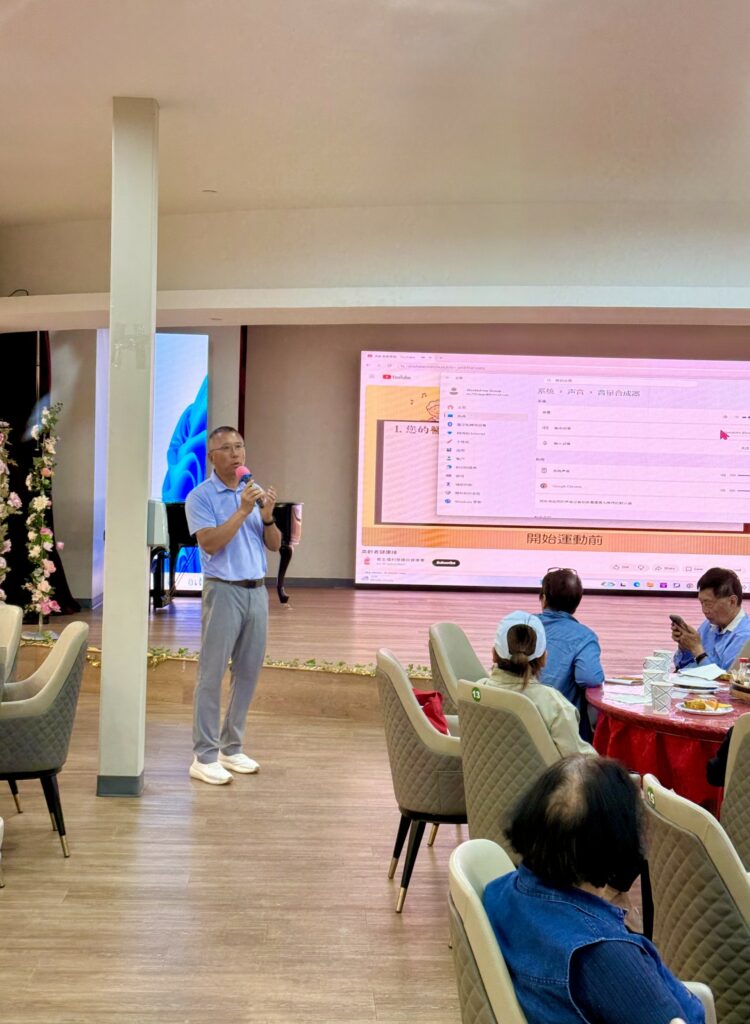
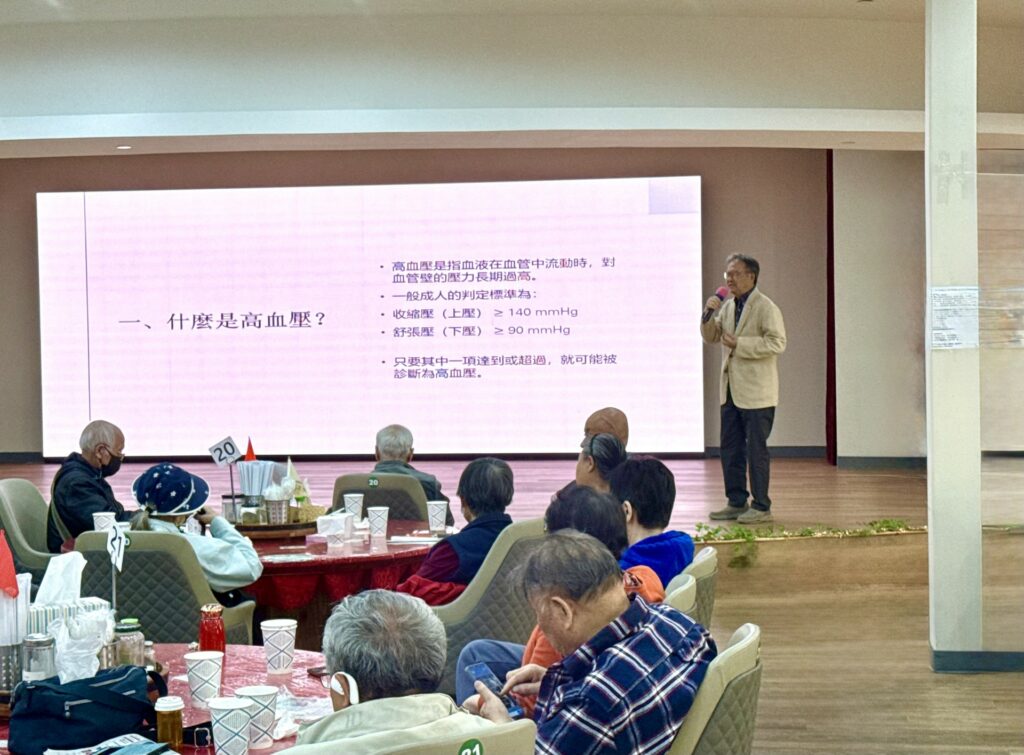
This week, we were delighted to once again welcome the highly respected and much-loved Dr. Zhou Wuping, who delivered a special health lecture on hypertension for the seniors. Hypertension, or high blood pressure, is a very common chronic condition. Many people experience no obvious symptoms in the early stages, yet prolonged high blood pressure can quietly damage vital organs such as the heart, brain, eyes, and kidneys. It is also a major risk factor for many illnesses commonly seen among older adults, which is why hypertension is often referred to as the “silent killer.” Therefore, having a proper understanding of hypertension and raising awareness about prevention and management are especially important for seniors’ health and well-being.
During the lecture, Dr. Zhou first explained the diagnostic criteria for hypertension, noting that high blood pressure is defined as a systolic pressure above 140 mmHg and a diastolic pressure above 90 mmHg. Since most patients do not experience clear symptoms such as headaches, heart palpitations, or ringing in the ears, hypertension is often detected only through regular blood pressure monitoring. To help seniors measure their blood pressure more accurately, Dr. Zhou also shared practical tips and important precautions for taking blood pressure readings correctly.
Dr. Zhou then introduced the major risk factors for hypertension, including family history, obesity, and unhealthy lifestyle and dietary habits. He emphasized that maintaining a healthy diet, regular daily routines, moderate exercise, and consistent blood pressure monitoring are among the most effective ways to prevent and manage hypertension. Addressing one of the seniors’ most common concerns, Dr. Zhou also provided detailed guidance on dietary principles for people with hypertension, including healthier cooking methods and a list of high-salt and high-fat foods that should be limited whenever possible.
When discussing medication, Dr. Zhou reminded everyone that newly diagnosed hypertension does not always require immediate medication. In many cases, lifestyle changes should be tried first. However, if blood pressure remains uncontrolled, patients should follow their doctors’ advice and take prescribed medication properly. Once blood pressure medication is started, patients should never stop or change medications on their own, as doing so may negatively affect treatment outcomes.
The lecture was informative, practical, and easy to understand. Using clear and engaging language, Dr. Zhou transformed complex medical knowledge into accessible information for the seniors. Everyone listened attentively and expressed that they had benefited greatly from the presentation.
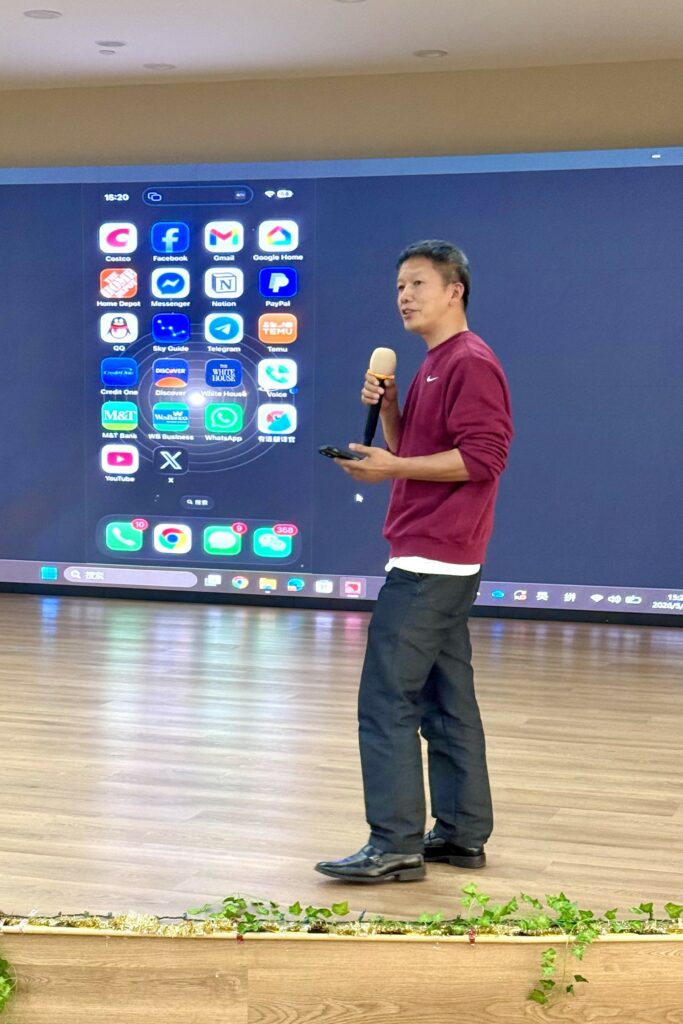
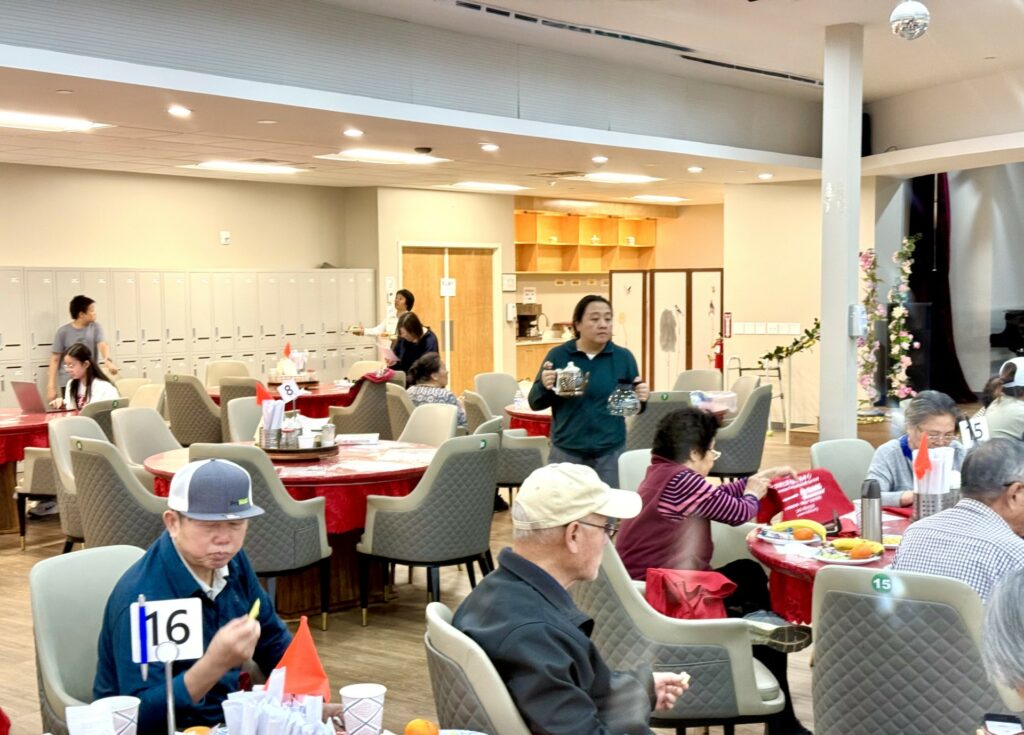
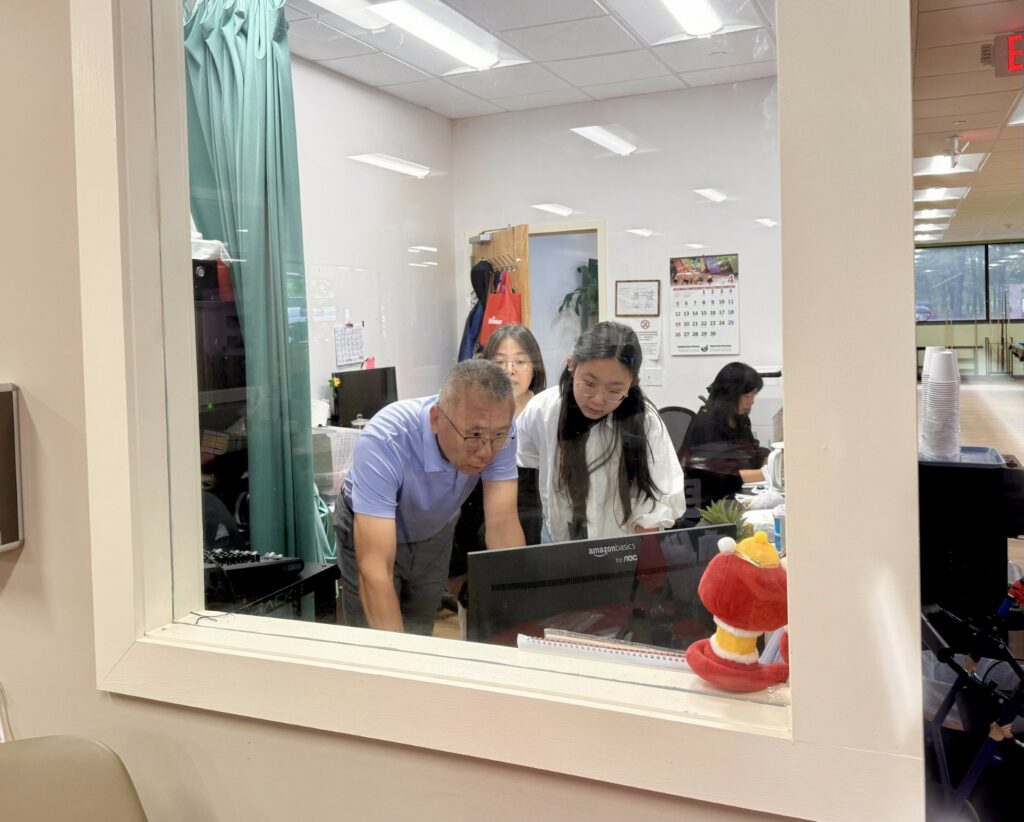
After the lecture, the seniors enjoyed a delicious afternoon tea and refreshments. Following a relaxing break, CACHS senior volunteer Wei Xiangyang continued his hands-on technology session using a projector demonstration. He guided participants in learning how to use various WeChat mini programs and introduced both text-input and voice-input methods for using ChatGPT to search for information related to daily life. Through these practical demonstrations, seniors were encouraged to gradually explore and embrace artificial intelligence technology so that modern technology could better support their everyday lives.
At the end of the event, community travel enthusiast Binge shared videos he had posted on YouTube featuring the historic home of America’s first president, George Washington. Through these videos, he vividly introduced George Washington’s life story and many fascinating historical anecdotes. His lively and humorous storytelling kept everyone fully engaged, and laughter frequently filled the room. Before concluding, Binge encouraged the seniors to explore more attractions around Washington, D.C., whenever possible, so they could relax, enjoy new scenery, broaden their horizons, and enrich their lives through travel and exploration.